Source Industrial Power Control Cable for Manufacturing, Energy, and Infrastructure
Find and compare Industrial Power Control Cable options from 30 verified listings. Evaluate specifications such as conductor materials, insulation types, and certifications to select the right solution for your project requirements.
Key considerations
Products List




Comprehensive Sourcing Guide
Industrial Power Control Cable Sourcing Guide
Procuring industrial power control cables requires a disciplined approach that balances technical performance with commercial reliability. These cables serve as the critical link between power sources and control systems in heavy machinery, manufacturing lines, and infrastructure projects. Buyers must navigate a complex landscape of material compositions, insulation types, and certification requirements to ensure that the selected cables can withstand the specific environmental and electrical stresses of their intended deployment. This guide provides a structured framework for evaluating suppliers and products based on observed market signals and established industry standards.
The sourcing process begins with a clear definition of the operational environment, as this dictates the necessary material properties and protective features. Industrial settings often expose cables to mechanical stress, temperature fluctuations, and chemical agents, making the selection of appropriate insulation and sheathing materials paramount. By aligning technical specifications with real-world application demands, procurement teams can mitigate the risk of premature failure, reduce maintenance costs, and ensure the continuity of critical industrial operations.
Product Scope and Observed Listing Signals
The current market for industrial power control cables presents a wide variety of configurations, with observed price points ranging from $0.01 to $520 USD per unit or roll. This broad range reflects differences in conductor material, cross-sectional area, insulation thickness, and packaging methods. Buyers should note that the minimum order quantity (MOQ) typically spans from 1 to 3,000 units, indicating that suppliers cater to both small-scale prototyping needs and large-volume industrial deployments. Understanding these commercial signals helps in budgeting and negotiating terms that align with project scales.
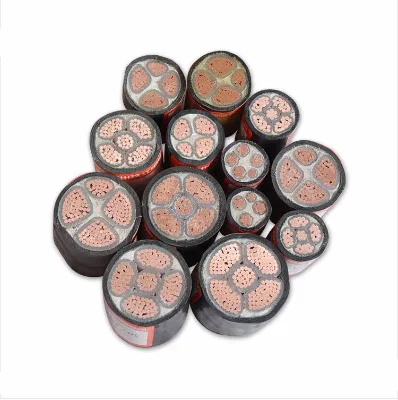
Product listings frequently highlight specific attributes such as stranded or solid conductors, with copper being the predominant conductor material due to its superior conductivity and durability. Some products utilize copper-clad aluminum wire, which offers a lighter alternative but may have different electrical characteristics. Insulation materials vary, with PVC and XLPE being common choices, each offering distinct advantages regarding flexibility, heat resistance, and moisture protection. The observed data also indicates that cables are often supplied in rolled reels or packed in export wooden drums, with lengths such as 305m or 610m available as standard options.
Technical Specifications to Verify
Verifying the conductor type and material is the first critical step in technical evaluation. Stranded conductors are often preferred for applications requiring flexibility and resistance to vibration, while solid conductors may be used in fixed installations. The purity of the copper or the specific alloy composition of aluminum conductors directly impacts electrical resistance and current-carrying capacity. Buyers must confirm that the conductor material matches the design requirements for voltage drop and thermal performance, ensuring that the cable can handle the expected load without excessive heating or energy loss.
Insulation and sheathing specifications are equally vital for ensuring long-term reliability. The observed market includes cables with PVC insulation, which provides good general-purpose protection, and XLPE insulation, which offers superior thermal and chemical resistance. For outdoor or harsh environments, weather-resistant classes such as UV-resistant and moisture-proof ratings are essential. Buyers should verify the insulation thickness, which can range from 1.0mm to 4.5mm depending on the cross-section and voltage rating, to ensure adequate protection against electrical breakdown and environmental degradation.
Compliance and Safety Documentation
Certification is a non-negotiable aspect of industrial cable procurement, as it ensures that products meet regional safety and performance standards. Common certifications observed in the market include RoHS, CCC, CE, ISO, UL, and VDE. These certifications indicate compliance with environmental regulations, electrical safety norms, and quality management systems. Buyers must verify that the specific cable model holds the necessary certifications for their target market, as non-compliant products can lead to legal liabilities, project delays, and safety hazards.
Quality control documentation provides additional assurance of product consistency and reliability. Many suppliers offer 100% inspection before shipment, which helps identify defects such as insulation flaws or conductor breaks before the product leaves the factory. Buyers should request detailed quality control reports and test certificates that confirm the cable’s performance under standard conditions. This documentation serves as a critical reference for troubleshooting and warranty claims, ensuring that any deviations from specifications can be addressed promptly.
Cost Drivers and Commercial Terms
Several factors influence the final cost of industrial power control cables, with conductor material and cross-sectional area being the primary drivers. Copper prices fluctuate based on global market conditions, directly impacting the cost of cables with copper conductors. Additionally, the complexity of the cable design, including the number of cores, insulation thickness, and special features like flame retardancy or low smoke emission, can increase manufacturing costs. Buyers should analyze these cost drivers to understand the value proposition of different product offerings and avoid overpaying for unnecessary features.
Commercial terms such as MOQ, packaging, and customization options also play a significant role in the total cost of ownership. Suppliers often offer OEM/ODM services, allowing for customized branding, logo printing, and specific packaging requirements. While customization can enhance brand identity and logistical efficiency, it may incur additional setup costs or higher MOQs. Buyers should negotiate clear terms regarding payment, delivery, and returns, ensuring that the supplier can meet the project’s timeline and budget constraints without compromising on quality.
Supplier Qualification and Quality Control
Supplier qualification involves assessing the manufacturer’s production capabilities, quality management systems, and track record. Suppliers originating from regions like Suzhou, Qingdao, and Jiangsu in China are common in the global market, each offering distinct advantages in terms of manufacturing scale and expertise. Buyers should verify the supplier’s certifications, such as ISO 9001:2015, to ensure that they adhere to recognized quality management standards. This verification helps in selecting suppliers who are capable of maintaining consistent product quality and meeting regulatory requirements.
Quality control processes should be rigorously evaluated to ensure that the supplier implements robust inspection protocols. In addition to 100% inspection before shipment, buyers should inquire about in-process quality checks and final testing procedures. Suppliers who provide detailed documentation of their quality control processes demonstrate a commitment to transparency and reliability. Establishing a strong relationship with a qualified supplier can lead to better pricing, improved service, and greater confidence in the performance of the procured cables.
Long-Term Procurement Checks
Long-term procurement success depends on continuous monitoring of supplier performance and product reliability. Buyers should establish key performance indicators (KPIs) such as delivery accuracy, defect rates, and responsiveness to issues. Regular audits and feedback loops can help identify areas for improvement and ensure that the supplier remains aligned with the buyer’s evolving needs. By maintaining open communication and fostering a collaborative relationship, buyers can mitigate risks and ensure a steady supply of high-quality industrial power control cables.
Additionally, buyers should stay informed about changes in industry standards, regulations, and technological advancements. As industrial applications become more complex and demanding, the requirements for cable performance and safety may evolve. Proactively updating procurement specifications and supplier qualifications ensures that the organization remains compliant and competitive. Regularly reviewing and updating the sourcing strategy allows buyers to adapt to market changes and secure the best value for their Industrial Power Control Cable needs.
FAQs
What certifications are available for industrial power control cables?
Industrial power control cables typically carry certifications such as RoHS, CCC, CE, ISO, UL, and VDE. These standards ensure compliance with safety and environmental regulations. Buyers should verify specific certification requirements based on their target market and application needs to ensure regulatory adherence and product reliability.
Can I customize the color and packaging of these cables?
Yes, customization is available for both color and packaging. The conductor material is often copper or copper-clad aluminum, with insulation options like PVC or XLPE. Packaging can be rolled in reels, packed in pallets, or placed in PE bags and cartons according to specific request, supporting OEM/ODM services.
What are the common specifications for industrial wiring harnesses?
Common specifications include cross-sections ranging from 0.3mm² to 10mm² and interface types like DC/DC. The conductor type can be stranded or solid, with shapes being round wire or rectangular. Applications span electronic, automobile, computer, and home appliance industries, often requiring crimping and assembling classes for industrial wire harnesses.
Where are these industrial cables typically manufactured?
These cables are primarily manufactured in China, with specific origins noted in Suzhou, Qingdao, and Jiangsu. Manufacturers often provide quality control through 100% inspection before shipment. The products are designed for various applications, including overhead, heating, and underground uses, with weather resistance classes suitable for outdoor environments.
What is the typical MOQ for industrial power control cables?
The minimum order quantity (MOQ) ranges from 1 to 3000 units, depending on the product type and customization requirements. Prices can vary significantly, observed between 0.01 and 520 USD. Buyers should consult suppliers for specific MOQs related to their desired specifications, such as insulation thickness or rated current-carrying capacity.
Which materials are used for insulation and connectors?
Insulation materials commonly include PVC and XLPE, with thicknesses grading from 1.0mm to 4.5mm. Connector materials may consist of PP, Pb, PVC, ABS, or customized options. The wire core material is often pure copper or copper-clad aluminum, ensuring efficient conductivity and durability for industrial power control applications.